


When it comes to purchasing a home, selecting the right home loan can significantly impact your financial stability and long-term goals. With various home loan types available, it’s essential to understand which option aligns with your specific financial situation. Whether you’re a first-time buyer or looking to upgrade your living space, the right home loan can make the process smoother and more financially sustainable. In this article, we’ll break down the different home loan types, their distinct features, advantages, and how to choose the one that aligns with your financial aspirations.
Understanding Home Loan Meaning
Before diving into the best home loan types, it’s essential to grasp the basic home loan meaning. A home loan is a sum of money borrowed from a bank or financial institution to purchase or construct a house, and the borrower repays it with interest through monthly installments over an agreed-upon period. Essentially, it offers a pathway to owning a property without having to pay the entire cost upfront. However, choosing the wrong home loan for your needs can lead to financial strain, so careful consideration is vital.
Key Factors to Consider When Choosing the Right Home Loan Types
To make an informed decision, you must evaluate several factors like your financial capacity, future goals, and loan terms. Here are the top considerations when determining the best home loan for you:
1. Understand Your Financial Goals
The first step in selecting the right home loan types is to identify your financial aspirations. Are you looking for a shorter repayment tenure with higher monthly payments? Or do you prefer smaller installments over a more extended period? Your goals will dictate whether you need a loan type with fixed terms, flexible terms, or even specialized features like interest-only options.
2. Analyze Your Income and Repayment Capability
Understanding how much you can afford to pay each month without straining your budget is critical. Lenders will evaluate your debt-to-income ratio to determine loan eligibility, so you should also assess how much you can comfortably manage. By determining your repayment capacity, you’ll be able to select the most suitable home loan types.
3. Assess the Interest Rate Structure
The type of interest rate directly affects the overall cost of your home loan. There are two primary types of interest rates:
- Fixed Interest Rate Home Loans: The interest rate remains constant throughout the loan tenure. These types of loans are ideal if you want predictable EMIs (Equated Monthly Installments) and financial stability.
- Floating Interest Rate Home Loans: The interest rate fluctuates based on market conditions. This type is suitable for individuals who can handle variations in EMIs and are seeking lower rates in the long run.
Carefully weighing the pros and cons of both options will help you determine which suits you better.
4. Evaluate Loan Tenure
The loan tenure you choose affects both the monthly installment amount and the total interest paid over the loan term. A longer tenure means smaller EMIs but higher interest over time, while a shorter tenure leads to higher EMIs but reduced overall interest. Opt for a tenure that matches your current income and long-term financial position.
5. Compare Loan Types from Various Lenders
Different financial institutions offer varying home loan types tailored for different borrower needs. For example, some may offer loans specifically designed for self-employed individuals, while others focus on joint home loans for families. Thorough research and comparison will help you identify which offers the best terms, lowest interest rates, and repayment flexibility.
Common Home Loan Types to Consider
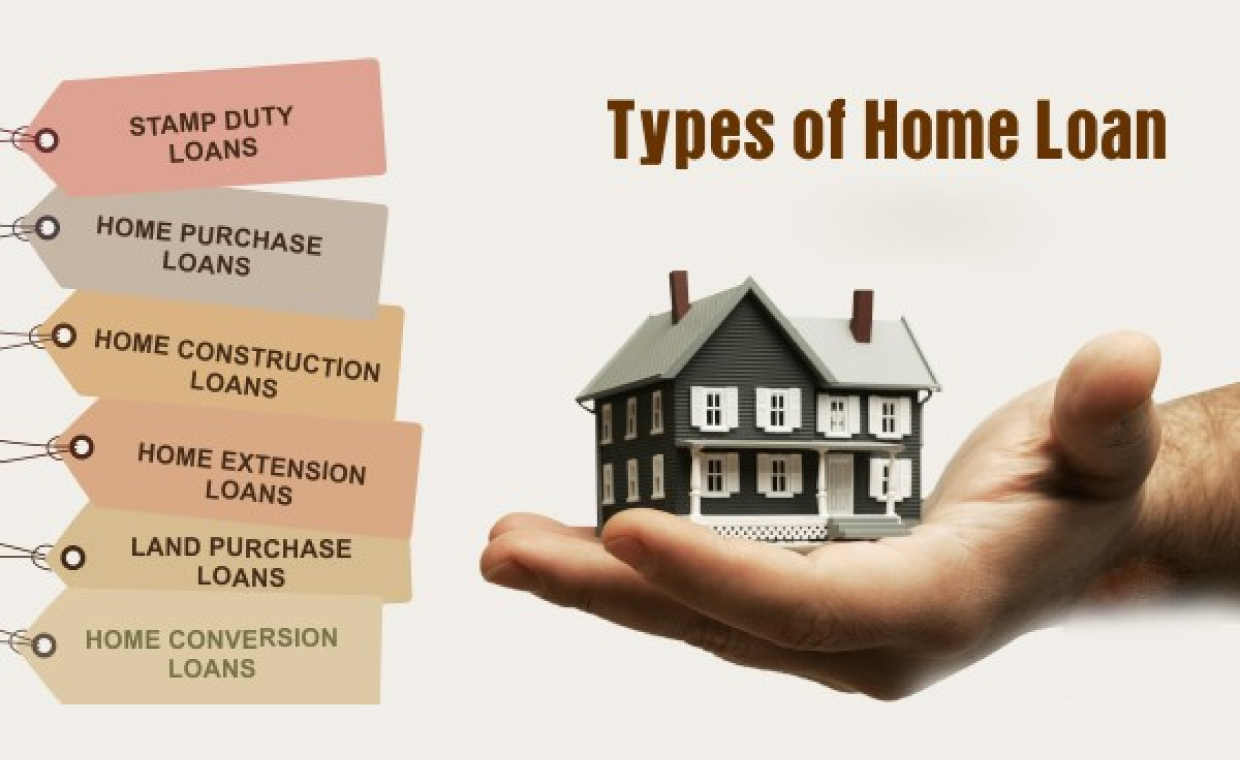
When it comes to choosing the right home loan, knowing the available options is half the battle. Below are some of the most popular home loan types:
1. Fixed-Rate Home Loans
These loans come with a fixed interest rate for the entire tenure, ensuring that your EMIs remain constant. They are perfect for borrowers who value stability and wish to avoid the risk of fluctuating repayment amounts.
2. Floating-Rate Home Loans
As mentioned earlier, these loans have interest rates that vary based on market conditions. They carry the potential for savings when interest rates are low but involve uncertainty due to possible rate hikes.
3. Joint Home Loans
This type of loan allows you and a co-applicant (e.g., spouse or family member) to share the financial burden. It can increase your overall loan eligibility and make the purchase of a more expensive home manageable.
4. Interest-Only Home Loans
Typically used in specific markets, these loans allow borrowers to pay only the interest amount for a certain period, followed by principal repayments later. They are suitable for people expecting a future escalation in income or cash inflow.
5. Government-Backed Home Loans
Certain government schemes offer subsidized loans designed for specific demographics like first-time buyers or lower-income individuals, such as FHA loans in the U.S. Research availability in your region to take advantage of these schemes.
Tips for Making the Right Decision
Now that you’re aware of various home loan types, here are some additional tips to make the best choice:
- Compare processing fees, prepayment penalties, and other hidden costs from different lenders.
- Use an online home loan EMI calculator to simulate monthly installments and their impact on your budget.
- Consult financial advisors or experts to gain insights tailored to your specific situation.
Final Thoughts
Choosing the right home loan types is not merely about picking the lowest interest rate; it’s about aligning the loan terms and conditions with your financial goals. You must evaluate your financial stability, assess various loan options, and consider long-term planning to make an informed choice. Understanding the home loan meaning and being aware of different types of loans will undoubtedly empower you to make decisions that secure your dream home while maintaining financial health. Start by researching, comparing, and seeking expert advice to ensure you’re on the right path toward homeownership. Remember, the best loan is the one that works in harmony with your present and future financial well-being.